SE18 carpet cleaning tips for homes around Plumstead Common
If you live near Plumstead Common, you already know the rhythm of local homes: wet shoes by the door after a drizzly school run, pets curling up on the rug, and the steady build-up of dust, crumbs, and everyday life. That is exactly why SE18 carpet cleaning tips for homes around Plumstead Common matter. The right routine keeps carpets looking brighter for longer, reduces lingering odours, and helps you spot small problems before they become expensive ones. In this guide, you will find practical, locally sensible advice for keeping carpets in good shape, whether you are doing a quick refresh, dealing with a stubborn stain, or deciding when to book a professional clean.
It is not about perfection. Honestly, nobody keeps a carpet pristine every day. It is about knowing what works, what can go wrong, and where a little effort makes a big difference.
Table of Contents
- Why SE18 carpet cleaning tips for homes around Plumstead Common Matters
- How SE18 carpet cleaning tips for homes around Plumstead Common Works
- Key Benefits and Practical Advantages
- Who This Is For and When It Makes Sense
- Step-by-Step Guidance
- Expert Tips for Better Results
- Common Mistakes to Avoid
- Tools, Resources and Recommendations
- Law, Compliance, Standards, or Best Practice
- Options, Methods, or Comparison Table
- Case Study or Real-World Example
- Practical Checklist
- Conclusion
- Frequently Asked Questions
Why SE18 carpet cleaning tips for homes around Plumstead Common Matters
Carpets in SE18 homes face a particular mix of wear. You get outdoor grit from local pavements and parks, damp shoes after rain, and everyday household traffic from hallways, living rooms, and stairs. Around Plumstead Common, many homes have busy family spaces where carpets do a lot of heavy lifting, both visually and practically. A clean carpet does more than look neat. It can make a room feel fresher, reduce the sense of dust in the air, and help preserve the fibres so the carpet lasts longer.
There is also the simple matter of value. Replacement is costly, and a good carpet can transform a home. Regular care is the cheaper, calmer option. No drama, no big surprise bill later.
Another reason this matters is that carpet problems tend to creep up slowly. A little darkening near a doorway, a faint smell after a spill, or a patch that looks flat in one corner may not seem urgent at first. Then one day you notice the room just feels tired. By then, deep cleaning is still possible, but prevention would have been easier.
If you are already thinking beyond carpets, the same approach usually helps with other soft furnishings too. For a broader home-care view, you can look at upholstery cleaning, sofa cleaning, and rug cleaning as part of a joined-up approach to keeping the home feeling fresh.
How SE18 carpet cleaning tips for homes around Plumstead Common Works
Good carpet care usually follows the same basic logic: remove dry soil first, treat spills quickly, then deep clean at the right time. That sounds simple, and in fairness it is. The trick is doing each part in the right order and not making the carpet wetter, dirtier, or more damaged while trying to save it.
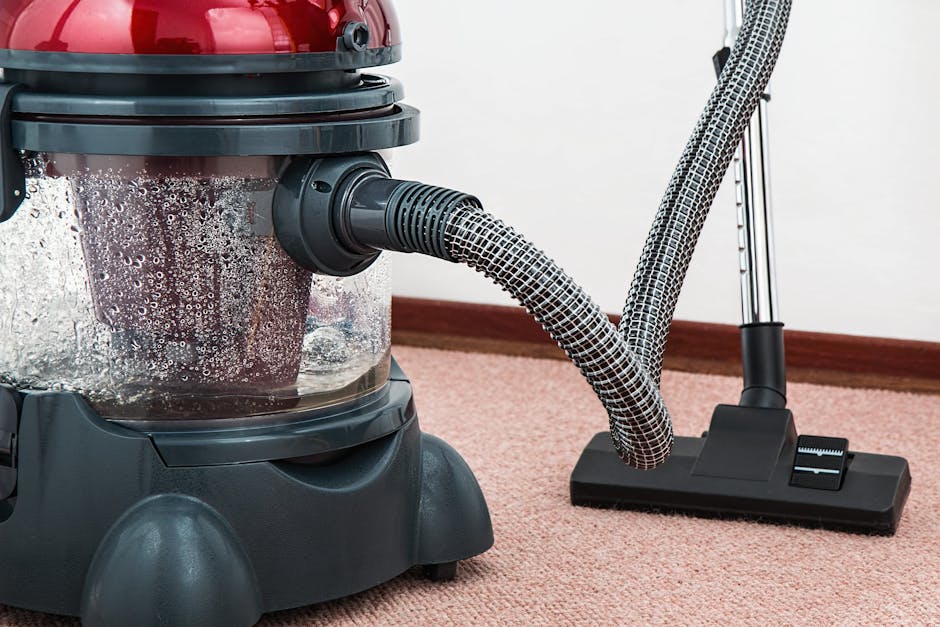
Vacuuming lifts loose grit before it gets pushed deeper into the pile. Spot treatment deals with fresh stains while they are still manageable. Deep cleaning, whether by hot water extraction or another method, goes further and removes embedded grime that regular vacuuming cannot reach. If you have thick-pile carpet, stairs, or high-traffic zones, those areas usually need more attention than the bedroom carpet you only walk on in socks.
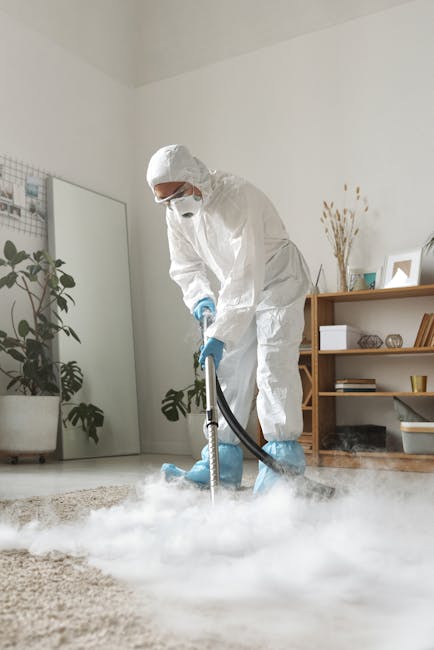
There is also a timing element. A carpet that is lightly soiled can often be revived with simple home care. A carpet with pet accidents, repeated spillages, or long-term dullness may need more specialist treatment. That is where a professional service such as carpet cleaning or steam carpet cleaning becomes the sensible next step.
One thing people often underestimate: different fibres behave differently. Wool, synthetic blends, and natural fibres all react in their own way to water, agitation, and cleaning products. So yes, the method matters. A lot.
Key Benefits and Practical Advantages
Keeping on top of carpets brings benefits you can see and feel straight away, but also a few that are less obvious. The visible one is appearance. Clean carpets make rooms look brighter, tidier, and more cared for. That matters if you are hosting, selling, letting, or just want your home to feel less "lived-in chaos" and more calm.
The practical gains are just as important:
- Longer carpet life: removing grit reduces wear on the fibres.
- Better indoor freshness: less trapped dirt often means fewer stale smells.
- Improved stain control: quick action prevents permanent marks.
- More comfortable rooms: carpets feel softer and cleaner underfoot.
- Less stress later: routine maintenance is easier than emergency stain rescue.
There is also a hygiene angle, especially in busy family homes. Mud, pet debris, food crumbs, and tracked-in dust do not stay politely on the surface. They sink in. Regular cleaning helps reduce build-up in the places you can easily miss, like skirting edges, under sofas, and the narrow strip by the hallway door where everyone seems to step in the same spot every day.
Expert summary: the best carpet cleaning routine is not one big event once a year. It is a mix of regular vacuuming, fast stain response, and occasional deep cleaning matched to the way your home is actually used.
Who This Is For and When It Makes Sense
This advice is useful if you live in a flat, terrace, or family house around Plumstead Common and your carpets get normal day-to-day wear. It is especially relevant if you have children, pets, guests coming and going, or rooms that pull double duty as workspaces, play spaces, and living spaces. Let's face it, many SE18 homes do not have a "showroom carpet" and a "real carpet". They just have carpets.
It also makes sense if you are trying to manage specific issues, such as:
- spilled tea, coffee, wine, or food
- pet accidents or lingering odours
- matted or flattened high-traffic areas
- dust build-up after a renovation or decorating job
- faint traffic lanes in hallways and living rooms
- carpets that look dull even after vacuuming
If you are comparing whether to DIY or call in help, the key question is not "Can I clean this myself?" It is "Will I clean this safely and properly without making it worse?" That is where services like stain removal or pet stain odour removal can be especially useful.
And if you are caring for a full property rather than a single room, it can be worth looking at the wider picture too. Curtains, mattresses, and upholstery all hold onto dust and odours in similar ways. That is why curtain cleaning and mattress cleaning often fit naturally into the same maintenance plan.
Step-by-Step Guidance
If you want a straightforward method that works in most homes, start here. This is the practical sequence that tends to give the cleanest result without creating extra problems.
- Clear the room as much as possible. Move small furniture, toys, baskets, and loose items. You do not need to empty the room completely, but give yourself space to work.
- Vacuum slowly and thoroughly. Go over the carpet in overlapping passes. If the pile is medium or deep, vacuum in multiple directions. That little bit of extra time helps more than people expect.
- Identify problem areas. Look for stains, dark edges, flattened fibres, and odour spots. Treat each one separately rather than hoping the whole carpet will somehow sort itself out.
- Test any cleaner in a hidden spot. This is boring advice, but important. A discreet corner can tell you whether a product affects colour, texture, or backing.
- Treat stains from the outside in. Blot, do not rub. Work gently and keep your cloth clean. If you keep smearing, you are just giving the stain more territory.
- Use only enough moisture to do the job. Over-wetting can leave a carpet damp for too long and may create marks or odours.
- Rinse if needed. Some products leave residue, which can attract dirt later. Light rinsing with clean water, done carefully, can help.
- Dry properly. Open windows if weather allows, use airflow, and avoid walking on the carpet until it is dry. Damp carpet and busy shoes are a poor combination.
- Finish with a final vacuum. Once dry, vacuum again to lift the pile and remove any loosened particles.
If the carpet has deep-set soil or you want a more thorough refresh, a professional hot water extraction or steam carpet cleaning approach can be more effective than repeated home scrubbing.
Expert Tips for Better Results
Here is where the small details make a big difference. A clean carpet is often about discipline, not brute force.
Tip 1: Work from the least dirty area toward the worst. If you clean the worst stain first, you can drag residue into cleaner parts of the carpet. It happens more easily than you would think.
Tip 2: Use a white cloth when spot-cleaning. Coloured cloths can transfer dye, especially on light carpets. White cotton lets you see what you are actually lifting.
Tip 3: Don't overwet the backing. The surface may look fine while the underlayer stays damp. That is when odours and slow drying can creep in. A sensible amount of moisture usually beats "more cleaning power" every time.
Tip 4: Give hallways and entrances extra attention. These are the grime collectors. If you only have time for one area, make it the route everyone walks through in muddy trainers.
Tip 5: Tackle pet issues quickly. Pet accidents need fast response, gentle blotting, and proper deodorising. If the smell has settled in, home products may not reach it fully.
Tip 6: Rotate furniture where practical. It helps prevent permanent compression in the same patch. Not every sofa can move easily, of course, but even a small change helps.
Tip 7: Keep a basic carpet-care kit ready. A cloth, a soft brush, a neutral spot cleaner, and a handheld vacuum are enough for many everyday mishaps.
A small human truth here: the best time to clean a spill is usually the moment you notice it, not after you have finished "just one more thing". The sofa can wait. The stain rarely does.
Common Mistakes to Avoid
Some carpet damage comes from the stain itself. A lot of it comes from the fix. That is the awkward bit.
- Rubbing stains hard: this pushes the spill deeper and frays fibres.
- Using too much product: more cleaner does not always mean more clean.
- Skipping the test patch: colour loss or texture changes can be permanent.
- Leaving moisture trapped: this can lead to odour, slow drying, and sometimes browning.
- Mixing products: it is safer not to combine cleaners unless you know exactly what you are doing.
- Ignoring the underlay and edges: dirt often builds where the eye does not go first.
- Waiting too long on pet stains: once odour settles in, the job gets harder.
One more thing: steam does not magically fix everything. It is useful, yes, but it still needs the right technique, and sometimes the wrong carpet or the wrong setting can cause headaches. There is no shame in that. It is just how materials behave.
Tools, Resources and Recommendations
You do not need a cupboard full of fancy gear to keep carpets in decent shape. In most SE18 homes, a few dependable tools do the job better than a pile of gimmicks.
| Tool or method | Best for | What to watch for |
|---|---|---|
| Vacuum with adjustable height | Routine dirt and grit removal | Make sure the brush setting suits the pile |
| Microfibre or white cotton cloth | Blotting spills | Do not rub aggressively |
| Soft brush | Lifting surface debris and working spot cleaner in gently | Avoid harsh scrubbing on delicate fibres |
| Neutral carpet spot cleaner | Common household stains | Always test first |
| Carpet cleaning machine | Deeper domestic cleans | Drying time and residue matter |
| Professional hot water extraction | Embedded dirt, traffic lanes, tougher grime | Not every carpet suits the same process |
If you are weighing up methods, you may also want to compare specialist services such as sofa cleaning and upholstery cleaning for the other fabric-heavy parts of the home. A room can feel cleaner faster when all the soft surfaces are treated consistently.
For anyone concerned about service standards, it is sensible to check practical things like insurance, safety approach, payment security, and how the company handles complaints and privacy. Those details are not exciting, but they matter. Quite a lot, actually. Useful reference pages include insurance and safety, payment and security, and privacy policy.
Law, Compliance, Standards, or Best Practice
For home carpet care in the UK, there is usually no special legal hurdle for routine cleaning. The main point is to use products and methods responsibly, follow label instructions, and take care around electricity, moisture, and ventilation. If you are hiring someone in, best practice is to look for clear communication about safety, liability, and what happens if something goes wrong.
In a practical sense, good standards include:
- using appropriate products for the carpet fibre
- spot-testing before wider application
- avoiding excess water
- keeping people and pets away while carpets dry
- storing chemicals safely and out of reach of children
- following a clear complaints process if a service does not meet expectations
If you are choosing a professional service, it is fair to expect them to be transparent about their approach. Pages such as terms and conditions and health and safety policy are useful signs that the business thinks beyond the cleaning itself. That is reassuring, and rightly so.
For environmentally minded households, it can also be helpful to check how waste and product choices are handled. If that matters to you, take a look at recycling and sustainability.
Options, Methods, or Comparison Table
Not every carpet needs the same treatment. The best method depends on the type of soil, the fibre, and how much time you have. Here is a simple comparison to help you choose.
| Method | Best use | Strengths | Limitations |
|---|---|---|---|
| Regular vacuuming | Weekly maintenance | Quick, low-cost, prevents grit build-up | Won't remove embedded grime |
| Spot cleaning | Fresh spills and marks | Fast response, targeted treatment | Can spread stains if done badly |
| DIY carpet machine | Moderately soiled domestic carpets | Useful for a refresh, handy for routine upkeep | Drying time, residue, and technique matter |
| Professional deep clean | Heavy traffic, pet issues, stubborn dullness | More thorough and often more consistent | Costs more than DIY |
| Steam carpet cleaning | Deeper cleaning with suitable carpet types | Strong at lifting dirt and refreshing pile | Not ideal for every material or condition |
For many homes, the winning mix is simple: vacuum often, blot spills fast, and book a deep clean when the carpet starts to look tired rather than waiting until it looks properly worn out.
Case Study or Real-World Example
Picture a typical family home near Plumstead Common on a wet Friday evening. Shoes have tracked in fine grit from outside, the hallway runner is starting to look grey at the edges, and there is a small tea spill in the living room after someone rushed to answer the door. Nothing dramatic. Just the usual.
The homeowner starts with a slow vacuum of the hallway and living room, then blots the tea spill with a white cloth and a little water. The stain lightens, but the carpet still looks dull in the traffic lane. At that point, they decide not to keep scrubbing, which is often the smartest move. A week later, they book a professional clean for the main carpets and the stairs. The result is not a miracle, but it is noticeable: the pile stands up better, the room smells fresher, and the hallway no longer looks like it has been through a small war.
That kind of outcome is realistic. Good carpet care rarely feels cinematic. It feels sensible. And that is enough.
Practical Checklist
Use this checklist to keep your carpet care on track without overthinking it.
- Vacuum high-traffic areas at least weekly, more if the house is busy.
- Deal with spills as soon as they happen.
- Blot, do not rub.
- Test cleaners in a hidden spot before full use.
- Use only the amount of moisture the carpet actually needs.
- Allow complete drying before replacing furniture or walking heavily on the area.
- Pay attention to hallways, stairs, and entry points.
- Check for lingering odours after pet accidents or food spills.
- Rotate rugs and furniture where practical to spread wear.
- Book deeper cleaning when vacuuming no longer restores the carpet's look.
Quick takeaway: if you remember only three things, make them vacuum well, blot fast, and dry thoroughly.
Get a free quote today and see how much you can save.
Conclusion
SE18 carpet cleaning tips for homes around Plumstead Common are really about keeping life manageable. Carpets take daily wear, and they deserve a routine that matches real homes, not showroom conditions. When you vacuum properly, handle spills quickly, and choose the right deep-cleaning method at the right time, you protect both the appearance and the lifespan of the carpet.
If your carpets are starting to feel flat, dull, or a bit stubborn, that is usually a sign to act sooner rather than later. A bit of attention now saves a lot of trouble later. Simple as that.
And if you want your home to feel fresher without turning the whole weekend into a cleaning marathon, that is a very reasonable goal. Start small, stay consistent, and give the fibres a chance to breathe again.
Frequently Asked Questions
How often should carpets in Plumstead Common homes be cleaned?
For most homes, regular vacuuming should be weekly, with deeper cleaning whenever carpets start to look tired, feel sticky, or hold onto odours. Busy family homes or homes with pets may need attention more often.
What is the best way to remove a fresh carpet stain?
Blot the spill with a clean white cloth, working from the outside toward the centre. Use a small amount of suitable cleaner if needed, and test it first in a hidden area.
Is steam cleaning safe for all carpets?
No, not all carpets suit the same method. Steam or hot water extraction works well for many synthetic carpets, but delicate fibres or certain backings may need a different approach.
Why does my carpet still smell after cleaning?
Lingering smell usually means moisture, residue, or trapped soil is still present deeper in the pile or underlay. Pet accidents are a common reason for this, and they often need a more targeted treatment.
Can I use household products on carpet stains?
Sometimes, yes, but only if the product is appropriate for the fibre and you test it first. Strong cleaners, bleach, and mixed chemicals can damage the carpet or leave marks.
What areas of the home get dirty fastest?
Hallways, entrances, stairs, and living rooms usually pick up the most grime. These are the zones where shoes, pet paws, and day-to-day traffic create the fastest build-up.
How long should carpet take to dry after cleaning?
Drying time varies depending on the method used, carpet thickness, ventilation, and room temperature. The safest rule is to wait until the carpet feels fully dry before heavy use.
Should I clean carpets before or after moving furniture?
Move small items first if you can, but large furniture can often stay in place if you clean around it carefully. If a professional is visiting, they can usually advise on the best setup.
Are rug and carpet cleaning the same thing?
Not exactly. Rugs are often smaller, more movable, and sometimes made from more delicate materials. The cleaning method may need to be adjusted, which is why a dedicated rug cleaning service can be useful.
What should I check before hiring a carpet cleaner?
Look for clear pricing, safety information, insurance, payment security, and a sensible complaints process. It is also worth checking whether the company explains how they handle different carpet types.
Can carpet cleaning help with allergies?
It may help reduce dust and debris trapped in the fibres, which can make a room feel fresher. That said, carpets are only one part of the home environment, so regular vacuuming and overall house cleaning still matter.
When is it better to book a professional instead of DIY?
If the stain is old, the odour has settled in, the carpet is heavily soiled, or the fabric is delicate, a professional clean is usually the safer choice. DIY is fine for maintenance, but not every problem should be handled with guesswork.
For more about the business behind these services, you can also read the about us page or make a direct enquiry through the contact us page when you are ready.